Puppy's First Nights: Build Crate Comfort Without Rushing
Plan a supportive first-night setup, introduce the crate in small daytime steps and respond thoughtfully to waking and crying.
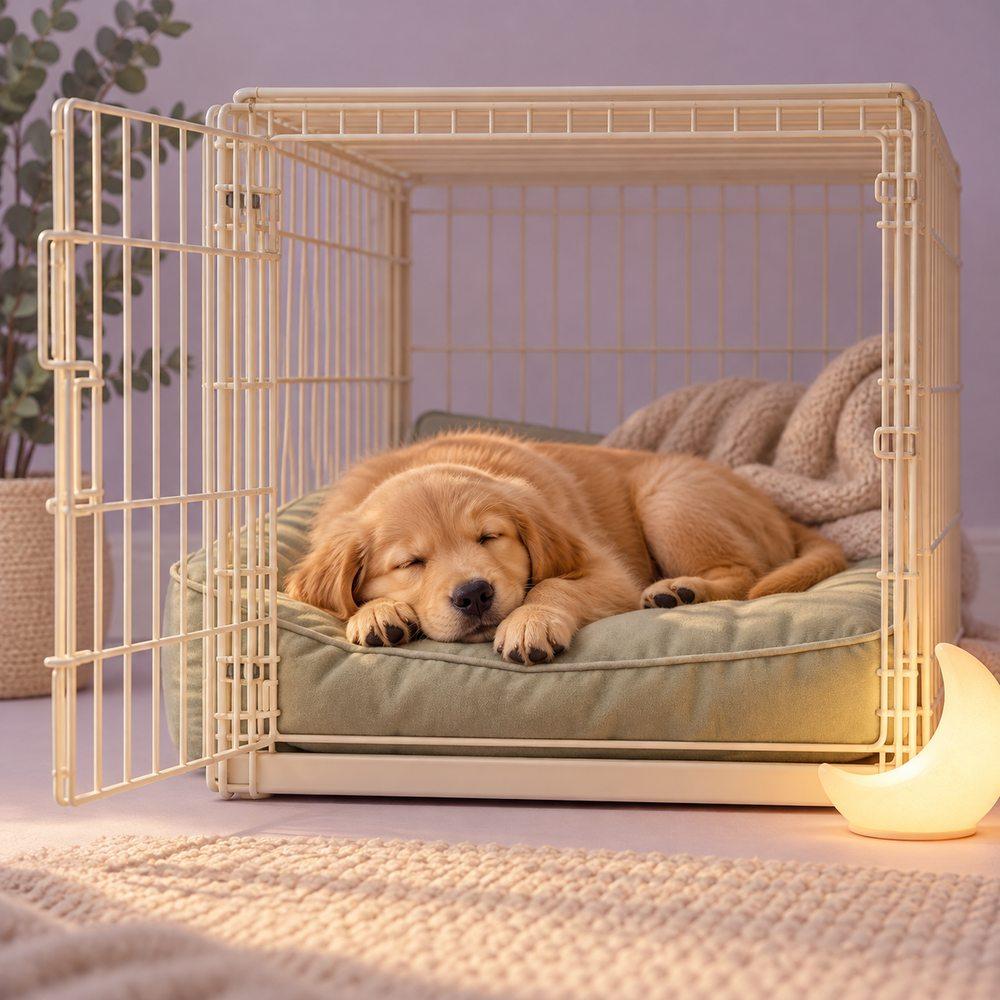
A puppy's first night is a big change of place, sounds and company. Buying the right-sized crate does not mean the puppy is ready to sleep behind its closed door. Treat the sleeping arrangement and the training process as connected tasks with different immediate needs.
Tonight you need a safe, workable setup. Over the coming days you can teach comfortable crate use in small steps. Neither task requires leaving a puppy to panic.
Prepare a comfortable option for tonight
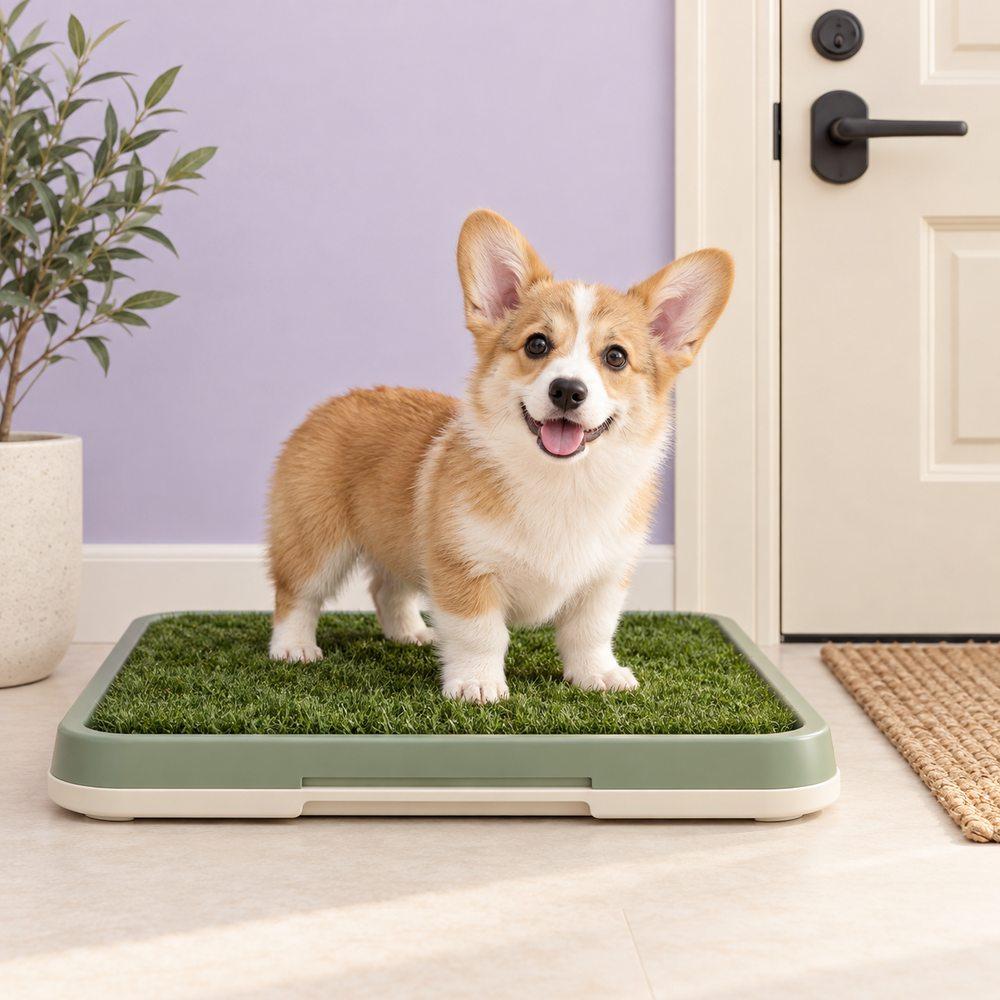
Choose a safe resting area and decide where you will be. Keep toilet equipment ready and agree on who responds overnight. A pen, suitable bed area or gated room may be more comfortable while the puppy is learning about the crate.
Dogs Trust's first-night guidance describes starting with your puppy nearby, then changing sleeping distance gradually. You can provide support while still working toward the arrangement you want long term.
Check physical safety as well as comfort: appropriate temperature, no reachable cables or swallowable objects, and no equipment that could snag. Arrange access to water unless your veterinarian has given a specific reason to do otherwise.
Introduce the crate during easy daytime moments
Secure the door so it cannot swing unexpectedly. Let the puppy investigate voluntarily. Reward comfortable interest and entry, and allow them to come out. Start with a situation they can handle without coaxing them past obvious reluctance.
RSPCA crate guidance treats the crate as a comfortable place, recommends small steps and says it should not be used as punishment. The puppy's response should guide progress.
Comfort entering an open crate is different from comfort with a moving door, a closed door or a person leaving. Introduce these as separate changes. If a small change causes concern, return to the easier version. There is no need to reach every stage in one afternoon.
Do not make night waking one single problem
Record when the puppy wakes, what you notice, what you do and how they respond. Toilet needs, unfamiliar surroundings, physical discomfort and difficulty with separation require different decisions. The log is a way to describe patterns, not to diagnose them yourself.
Keep necessary toilet trips calm and practical. Afterward, help your puppy return to a comfortable setup. Avoid using a clock to decide that they cannot need support yet. If distress escalates or there are signs of illness or pain, respond and seek veterinary advice where appropriate.
The 14-Night Crate & Sleep Reset includes a Door-Closed Ladder, bedtime routine builder and night-waking log. It is intended for early comfort and ordinary bedtime difficulties, not panic or escape attempts. Fourteen nights is an adaptable framework rather than a sleep-through promise.
Make the daytime routine support the night
Give the puppy opportunities for appropriate activity and undisturbed rest. Use a flexible puppy sleep schedule to notice whether daytime naps are repeatedly interrupted. Avoid assuming that keeping a puppy awake longer will solve bedtime.
If moving away is the difficult part, read teaching puppy alone time. Comfortable separation should be introduced in manageable steps, with backup care when unavoidable absences exceed what the puppy can handle.
Review what helped before changing the next night
Choose one observation from the log. Perhaps a closer resting location helped, or preparing the toilet route prevented a frantic delay. Repeat what was workable and adjust one remaining difficulty.
If the crate consistently causes distress, use a safer comfortable alternative and ask for individual help. The target is a puppy who can rest, not a closed crate at any cost. Preview the Crate & Sleep Reset for the response framework and printable log you can use to organize the next night.
Sources
PupSkills publishes educational guides for everyday training. The articles draw on the sources listed above and do not replace individual veterinary or behaviour advice. Read our editorial approach.