Recall Around Distractions: Find the Part That Breaks Down
Build a safer recall practice plan by separating attention, leaving a distraction, coming back and finishing close enough to reconnect.
“My dog ignores recall outside” describes a frustrating result, but it hides several different problems. Your dog might not turn toward the cue, might look at you and return to sniffing, or might run over and stop out of reach. Each gives you a different starting point.
Break the return into observable parts before adding louder cues or more distance. This makes practice easier to set up and safer to evaluate.
Watch the whole return
Use an easy setting and note four things: whether your dog notices the cue, leaves the distraction, travels toward you and finishes close enough for the next step. Reward the completed return generously, with something your dog values.
Dogs Trust's recall guidance emphasizes making coming back rewarding. Avoid calling your dog only when enjoyable activity is about to end. When it is safe and appropriate, a return can be rewarded and followed by permission to explore again.
Do not punish a late return. That would make arriving near you a worse experience. Instead, use the missed response as information about how you should simplify the next practice setup.
Choose a safe practice area
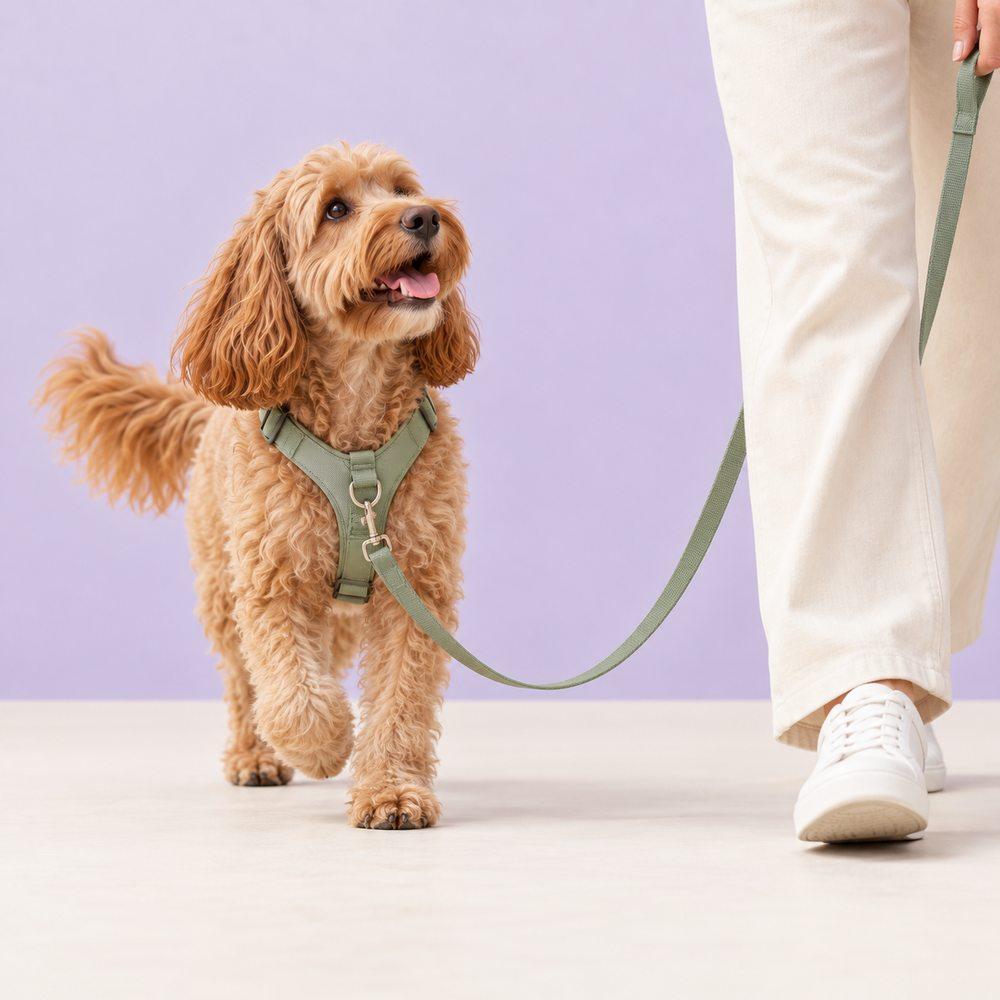
Begin indoors or in a secure space. For suitable outdoor practice, a harness and carefully handled long line can provide a safety backup. Keep the line clear of people, dogs and obstacles; do not wrap it around your hands or allow a running dog to hit the end at speed. Get hands-on guidance if you are unsure how to manage it safely.
A long line is not a way to drag the dog through a recall. Position yourself and choose the environment so the task is manageable. Local leash rules, wildlife, traffic and your ability to handle the equipment still determine where you can practise.
No successful session makes recall guaranteed. A high practice score is not permission to remove safety measures in a dangerous setting.
Change the setup based on the missed part
If your dog does not orient toward you, move farther from the distraction or return to name-response work in an easier place. If they look but do not leave, the competing activity may be too difficult to abandon at that distance. Reduce that challenge rather than repeatedly testing the same cue.
If they return but hover out of reach, practise a comfortable finish separately. Reward close arrivals and introduce any necessary equipment handling gently. Avoid grabbing abruptly whenever the dog gets near you.
The Recall Under Distraction workbook includes six practice levels, a recall session log and long-line guidance. Its records help you distinguish these parts instead of recording every attempt as a simple pass or fail.
Plan a session you can repeat
Write down the place, distraction, approximate distance and reward. Choose a few easy repetitions and end while your dog is still comfortable and engaged. Next time, change only one important variable.
For example, you might repeat the same short return with a familiar person standing still farther away. You do not also need a longer distance, a moving person and a new location. Small changes make the result interpretable.
Practice pairs naturally with loose-leash foundations, which help you move between exercises without constant tension. If a previously familiar recall has become less reliable during adolescence, see the teenage dog training reset.
Separate training from emergencies
Do not use wildlife, traffic or uncontrolled dogs as tests. Dangerous chasing, panic or aggression needs an individual plan and appropriate professional support. Arrange management that prevents unsafe rehearsal while you work on the foundations.
For a structured record of what your dog can currently handle, preview Recall Under Distraction. Start where returning is achievable, then use evidence from practice to decide the next small step.
Sources
PupSkills publishes educational guides for everyday training. The articles draw on the sources listed above and do not replace individual veterinary or behaviour advice. Read our editorial approach.