Overtired Puppy Biting: How to Check the Pattern
Use a simple sleep-and-biting record to see whether missed rest is contributing to your puppy's mouthing and evening overexcitement.
“They must be overtired” can be a helpful possibility and an unhelpful conclusion. A puppy who grabs clothing after a busy afternoon may need rest. A puppy who bites during painful handling needs a different response. The aim is to observe a pattern before treating one explanation as certain.
You do not need a wearable tracker or a strict sleep spreadsheet. A few clear notes can show whether rest, activity and biting repeatedly line up in your own household.
Record sleep rather than time spent in bed
Start by separating three things: awake activity, quiet wakefulness and apparent sleep. A puppy lying in a bed while watching children play may not be resting as much as you think. Note interruptions, such as a doorbell, another pet or someone approaching for a cuddle.
Use rough times rather than chasing perfect precision. “Settled around 2; delivery woke them at 2:20; no further nap” is useful. It also gives the household a concrete change to try, such as moving the resting place away from the busiest route through the room.
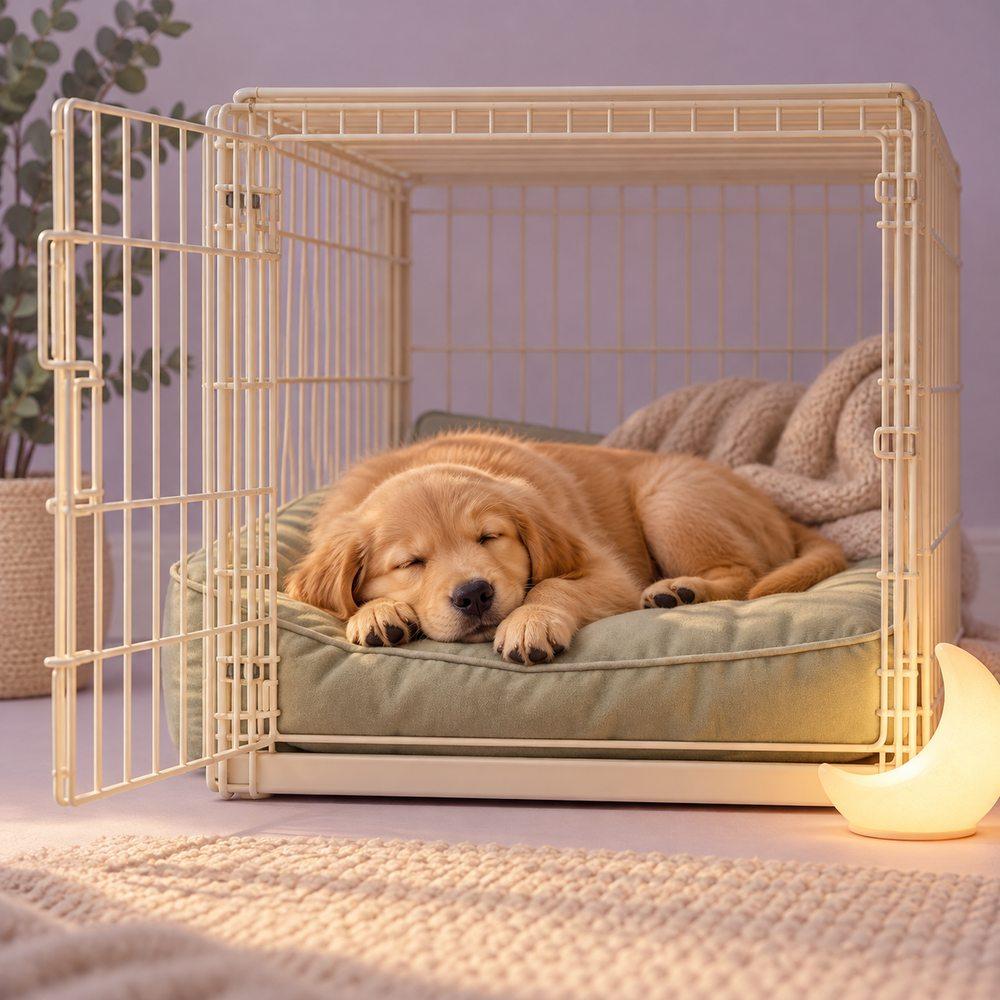
Dogs Trust's settling guidance includes adequate rest and a quiet resting area among a dog's daily needs. It also warns that discomfort and health problems can affect the ability to settle. Rest is one part of the picture, not a diagnosis made from zoomies alone.
Add a brief note after each biting episode
Write down the immediate activity, what the puppy did and what happened afterward. Avoid labels such as “naughty” or “dominant”; they do not describe an observable event. “Chased trousers when I walked to the kitchen” is more useful.
Then compare similar situations. Does mouthing tend to follow interrupted naps, busy visits or a long stretch of activity? Or does it happen mainly when a particular body part is touched? You are looking for a practical next question, not proving a cause from one evening.
The Puppy Biting Decoder includes both a Bite Incident Log and a Sleep and Awake Tracker, so the records can be considered together. The workbook also covers other common triggers, which helps prevent sleep from becoming the explanation for everything.
Try one change that creates a fair comparison
Choose a small adjustment that fits the pattern. If afternoon visitors interrupt rest, provide a quieter space and ask them to let a sleeping puppy stay asleep. If excitement builds during dinner, prepare a familiar quiet activity before the household gets busy.
Keep normal needs met: toilet opportunities, water, suitable food, comfortable temperature, appropriate activity and company. A rest experiment is not withholding interaction or shutting a panicking puppy in a crate. If the current resting area causes distress, use a comfortable alternative and revisit the setup.
Write down what you changed and whether the next comparable episode differed. Improvement might mean a shorter episode or easier settling, not zero mouthing. If nothing changes, reconsider the explanation rather than enforcing more sleep.
Avoid turning a useful idea into a rigid rule
A universal “one hour awake, two hours asleep” formula will not describe every puppy or every day. Our puppy sleep schedule guide starts with transitions and observations instead. The evening biting guide provides a calm response for the moment teeth reach clothing.
If your puppy seems persistently unable to rest, shows a sudden behaviour change, or bites in circumstances suggesting fear or pain, speak with your veterinarian. Keep children safely separated from difficult interactions and seek individual support for dangerous biting.
To make your observations easier to compare, look inside the Puppy Biting Decoder. Begin with one ordinary day and a record simple enough that everyone will actually use it.
Sources
PupSkills publishes educational guides for everyday training. The articles draw on the sources listed above and do not replace individual veterinary or behaviour advice. Read our editorial approach.